Grab your free gift, our online Houseboat Magazine, when you sign up!

Pontoon Houseboat Floatation - any damage or sinking protection?
by Ron Bishop
(Fitzgerald, GA, USA)
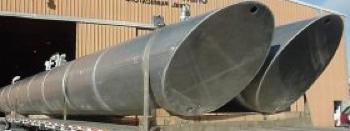

Pontoon Houseboat Floatation - Any Sinking Damage Protection
Looking at floatation on a pontoon houseboat, and wonder about protection from damage or sinking if a pontoon ruptures?
I am building a pontoon houseboat, and don't want it to sink if I hit a rock in a river or lake. What measures can be taken to protect any possible pontoon rupture? And can we do it cheaply if at all possible?
Thanks for any help, Ron Bishop
 increase sales and profits with targeted traffic? Act now to get our 1/2 price sale, limited offer |
Reply - Answer
Well Ron, welcome to the houseboat forums, and congratulations on asking a great question about pontoon floatation.
As you are probably aware, one of the advantages that pontoons have over a tradition hull design is that they can have either sealed chambers, or foam filled chambers, which greatly reduce the danger of sinking.
Now you didn't mention if you were building steel, wood, fiberglass, or aluminum pontoons, but if wanted sealed chambers, think of taking a bunch of cans of soda, and welding them "end to end" to make the length of cylinder (pontoon) that you need.
Many people have created the same kind of sealed chambers and have filled them with an expanding foam which would restrict the amount of water that could even enter into the chamber. If you only have room in the chamber for 5 gallons of water, it would have very little effect on buoyancy.
Now possibly some of our houseboaters that have experimented or built pontoons have some better or simpler ideas to help you with pontoon floatation.
Lastly, hopefully some of our readers will share and post comments about their pontoon houseboat damage or sinking experiences. Feel free to use the "Click here to post comments." link found near the bottom of this page.
Thanks again for sharing, IAN from all-about-houseboats
Free Bonus Offer |
Comments for Pontoon Houseboat Floatation - any damage or sinking protection?
|
||
|
||
|
||
|
||
|
||
|
||
|
||
|
||
|
||
|
||
|
||
|
||

Continue Reading Our Popular Pages
Our collection of houseboat ebooks

We just love houseboats, do you?
Join our monthly HB Insider for free
|
|
Grab your Free Giftvisiting us, here's a free gift. It's our online Houseboat Magazine  IAN, the editor & founder.  Free Houseboat Magazine Start living the passion & freedom, download the boat-buying guide.  Visit our SponsorsWest MarineAmazon Marine 
Boat US membership Fiberglass Products Holding Tank Vents Canvas & Zipper Repair Bilge Water Level Alarm Propco Houseboat Props Financing Boat Loans Inflatable Water Toys Boat Building Supplies Houseboat Transport Boat Marina For Sale Bow & Stern Thrusters PWC Rails & Jet Ski Lifts Waste Pump-Out Adapter Tow your Dinghy, PWC, etc Put your Business Here!  Advertise Now for 50% off |









|
|
Questions? Contact Us - Email Inquiries. Visit our Site Sponsors. View our Privacy Policy, Disclaimer, Disclosure pages.
Copyright © 2006 - 2025 www.all-about-houseboats.com
The information or articles on this website are for educational purpose only. It is not intended to replace the advice of a professional. To pay all the expenses, All-About-Houseboats may derive a small financial benefit from affiliate, third party links, and/or advertising. This site does not take responsibility for the accuracy of comments, opinions, suggestions and any other messages posted by visitors. We are a participant in the Amazon Services LLC Associates Program, an affiliate advertising program designed to provide a means for us to earn fees by linking to Amazon.com and affiliated sites.